
 By Alex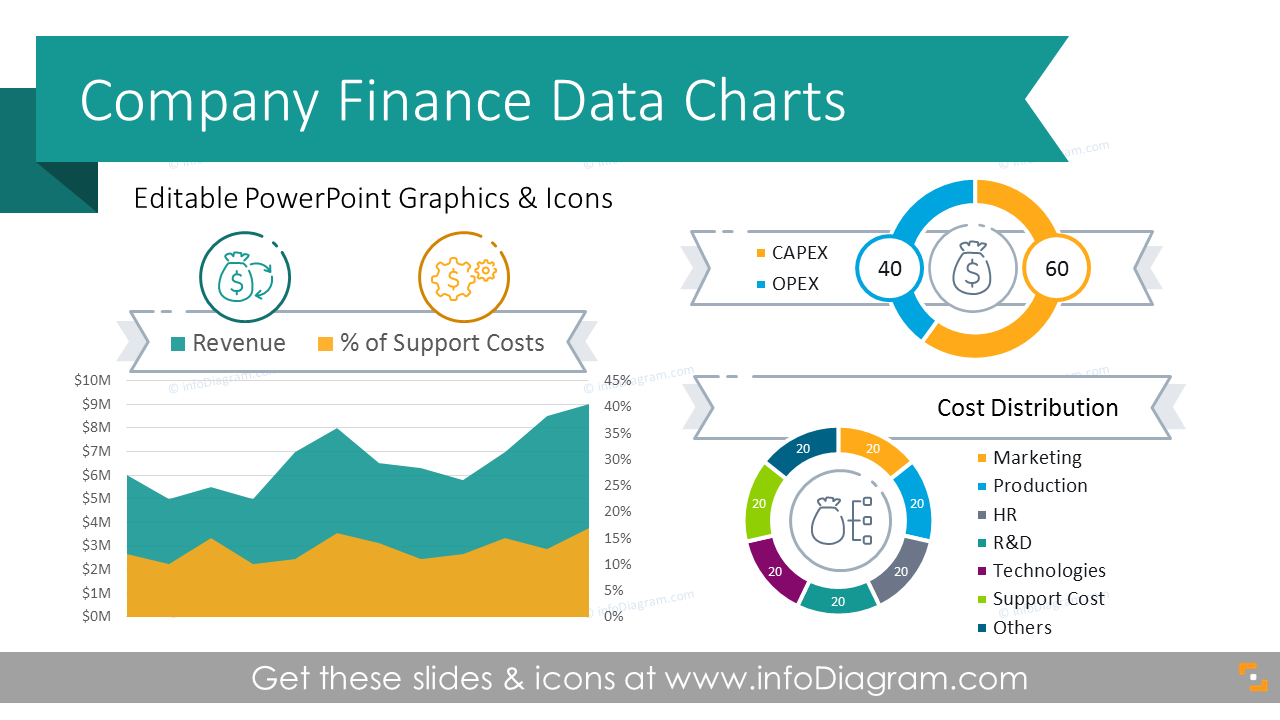
Financial reports and presentations are essential tools for businesses, lenders, advisors, investors, and even everyday consumers. In 2026, with financial transparency more important than ever, Americans rely on well-designed reports and clear presentations to understand performance, make decisions, and build trust.
This guide breaks down how to create strong financial reports, which formats are most effective, what investors and clients expect, and how to deliver presentations that simplify even the most complex financial data.
🔹 1. Why Financial Reporting Matters in 2026
Financial reports allow businesses and individuals to:
- Track revenue, expenses, and profit
- Identify financial strengths & weaknesses
- Show transparency to investors and lenders
- Support tax filing
- Prepare for audits
- Communicate performance clearly
The better the report, the easier it is to make strong financial decisions.
🔹 2. Types of Financial Reports Used in the United States
Here are the most important reports used by businesses, lenders, and financial professionals.
✔ Income Statement (Profit & Loss Statement)
Shows:
- Revenue
- Operating expenses
- Net profit
Used for:
- Loans
- Taxes
- Investor updates
- Performance tracking
✔ Balance Sheet
A snapshot of:
- Total assets
- Total liabilities
- Equity
Crucial for lenders evaluating business stability.
✔ Cash Flow Statement
Breaks down:
- Operating cash flow
- Investing cash flow
- Financing cash flow
Shows if a business can survive month-to-month.
✔ Budget Reports
Track:
- Planned spending
- Actual spending
- Financial variances
Useful for both families and businesses.
✔ Loan or Debt Reports
Includes:
- Loan balance
- Payment history
- Interest paid
- Remaining term
Lenders require this for refinancing or reviews.
✔ Annual Reports
Used by:
- Corporations
- Nonprofits
- Government agencies
Includes:
- Financial summary
- Charts & visuals
- Executive insights
🔹 3. What Makes a Good Financial Report? (U.S. Standards)
To make reports clear, transparent, and useful:
✔ Use simple visualizations
- Bar charts
- Line graphs
- Pie charts
- Tables with clear labels
✔ Focus on insights
Don’t just show numbers – explain what they mean.
✔ Keep formatting consistent
- Same fonts
- Same colors
- Same spacing
- Standard U.S. date format (MM/DD/YYYY)
✔ Use clean, readable language
Avoid technical jargon.
✔ Always include a summary
Decision-makers appreciate quick conclusions.
✔ Make reports downloadable
PDF, XLSX, and CSV formats are preferred in the U.S.
🔹 4. Financial Presentation Guide: How to Present Data Clearly
A great presentation turns complex financial data into simple, actionable insights.
Best Practices for Financial Presentations
- Stick to 10–12 slides
- Use big, bold headings
- Limit each slide to one main point
- Replace paragraphs with graphs & visuals
- Use bullet points for key insights
- Maintain brand consistency
- Use contrasting colors for clarity
Essential Slides
- Overview
- Key metrics
- Revenue trends
- Expense breakdown
- Profit analysis
- Projections
- Risks & opportunities
- Recommendations
Best Tools
- PowerPoint
- Google Slides
- Canva
- Keynote
- Notion
🔹 5. Common Mistakes to Avoid in Financial Reporting & Presenting
❌ Overloading slides with numbers
✔ Use visuals instead.
❌ Using inconsistent terms or formats
✔ Stick to templates.
❌ Making reports too long
✔ Summaries and visuals are more effective.
❌ No clear conclusion
✔ Always end with action steps or next recommendations.
🔹 6. How Small Businesses Benefit from Strong Reporting
Strong financial reporting helps U.S. small businesses:
- Get approved for loans
- Attract investors
- Track monthly performance
- Avoid cash flow issues
- Prepare taxes accurately
Clear reporting = better opportunities.
🔹 7. How Consumers Benefit From Financial Reports
Consumers use reports to:
- Track spending
- Manage debt
- Understand interest costs
- Plan savings
- Prepare tax documents
Financial literacy starts with clear data.
⭐ Conclusion
Financial reports and well-designed presentations are essential tools in 2026. They improve transparency, help businesses grow, and empower individuals to make informed decisions.
Clear, consistent financial communication builds trust – whether you’re reporting to clients, investors, lenders, or internal teams.